
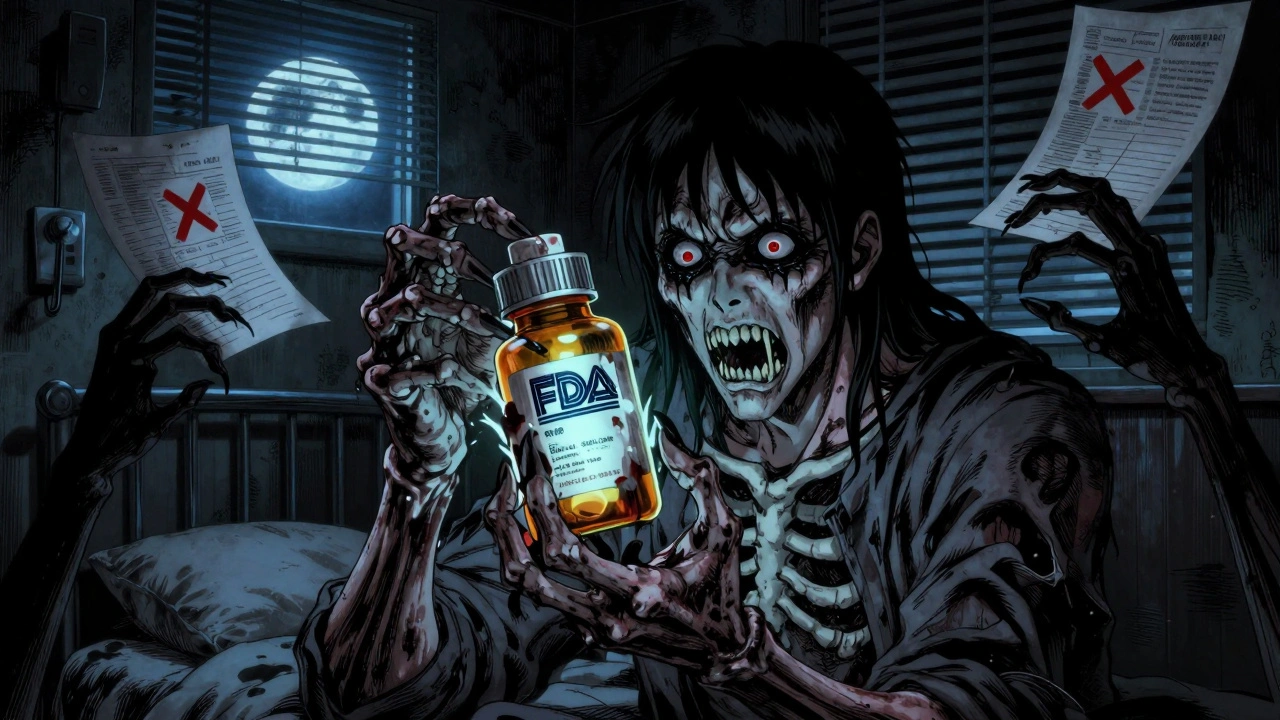
It’s 2025, and nearly 90% of prescriptions in the U.S. are filled with generic drugs. They’re cheaper, FDA-approved, and contain the exact same active ingredients as their brand-name cousins. So why do so many people still ask for the brand? Why do some patients refuse to switch, even when their pharmacist offers a $20 savings? The answer isn’t in the chemistry-it’s in the mind.
It’s Not About the Pills, It’s About the Package
People don’t buy medications the way they buy toothpaste or cereal. When you’re dealing with something that affects your health-especially your mental health, heart, or nervous system-the stakes feel higher. A pill isn’t just a pill. It’s a symbol of safety, control, and trust. That’s why a patient might say, "I tried the generic, but it didn’t work the same," even when science says it should. Studies show that 62% of Gen Z patients believe brand-name drugs are safer. Another 57% think they’re more effective. These aren’t random beliefs. They’re shaped by years of advertising, doctor visits, and personal experience. A brand name like Prozac, Lipitor, or Xanax isn’t just a label-it’s a promise. And for many, that promise carries more weight than a bioequivalence study.Why Doctors Sometimes Agree
It’s easy to blame patients, but doctors aren’t immune to brand loyalty either. A 2023 survey found that 40% of physicians would prescribe brand-name drugs if cost weren’t an issue. In Japan, that number jumps to 57%. In Spain and Italy, it’s over 45%. Why? Because doctors see the results. A psychiatrist might have five patients who switched from brand-name sertraline to a generic version and reported increased anxiety, insomnia, or mood swings. Even if the FDA says they’re identical, the pattern is real to them. One patient might say, "I felt like I was slipping back into depression," and that’s enough to make a doctor hesitate next time. It’s not that generics are unsafe. It’s that the body is complex. Small differences in inactive ingredients-like fillers, dyes, or coatings-can affect how quickly a drug is absorbed. For someone on a tight therapeutic window, like an epileptic or a psychiatric patient, even a 5% change in absorption can feel like a 50% drop in effectiveness.Generations See It Differently
Gen Z is the most brand-loyal group when it comes to medications. Thirty-five percent say they’d rather pay more for the name they recognize. That’s higher than Millennials or Gen X. Why? Because they grew up with targeted ads, influencer health content, and direct-to-consumer marketing that made brand names feel personal. Meanwhile, older generations are more likely to have lived through the rise of generics. They remember when a $200 monthly prescription became $15. They’ve seen friends save thousands. For them, the math is simple: if it’s the same drug, why pay extra? But here’s the twist: Gen Z isn’t loyal because they’re naive. They’re loyal because they’ve been trained to associate trust with brand. A 2022 Fortune survey called it "value-driven brand trust"-they’re not rejecting generics because they’re ignorant. They’re rejecting them because they don’t trust the system to deliver the same result.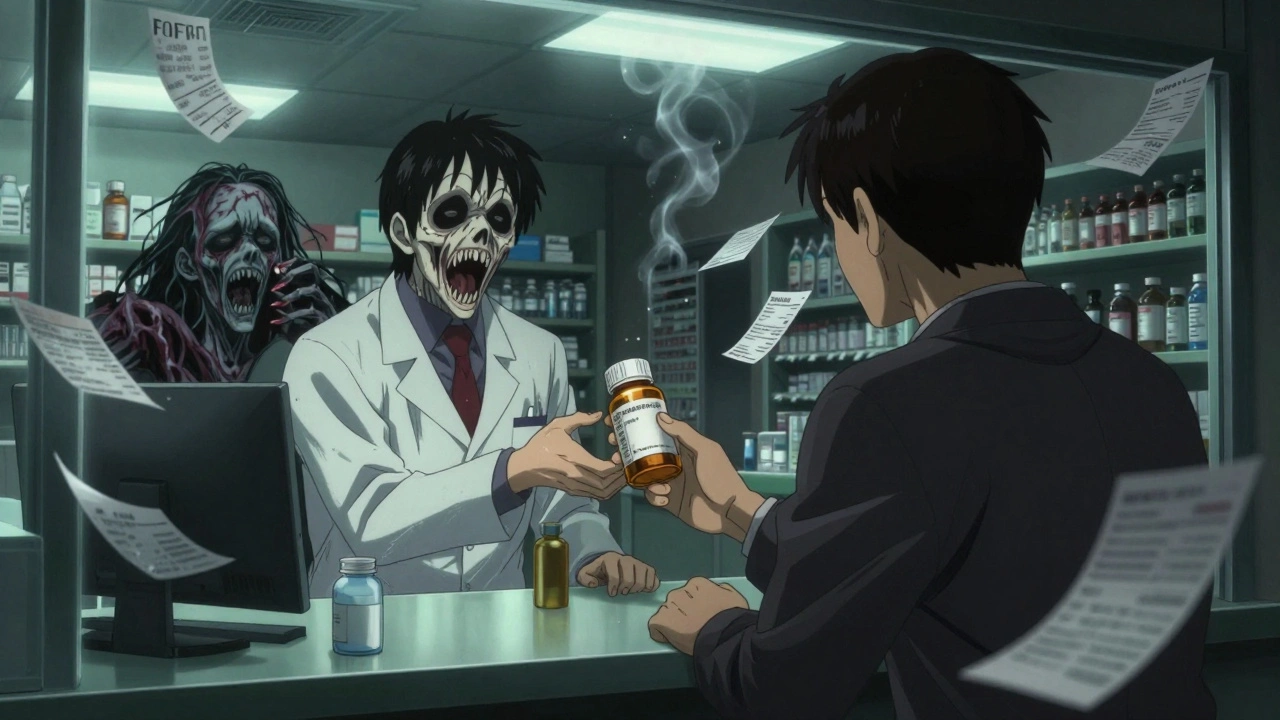
Where Brand Loyalty Sticks the Hardest
Not all medications are created equal when it comes to brand loyalty. Statins? Almost everyone takes the generic. Antibiotics? Same thing. But psychiatric meds? Antiepileptics? Blood thinners? Those are where loyalty runs deep. Why? Because the consequences of a mismatch feel terrifying. If your antidepressant stops working, you don’t just feel a little off-you feel like you’re falling apart. If your seizure medication’s absorption changes, the risk isn’t just a headache-it’s a hospital visit. Data from the FDA shows that while 98% of statin prescriptions are generic, only 52% of antiepileptic prescriptions are. That’s not because generics are less effective. It’s because patients and doctors are terrified to take the risk. Even in countries with strong generic programs, like the UK or Canada, patients with chronic mental health conditions are 3 times more likely to request brand-name drugs than those taking blood pressure meds.The Cost of Comfort
The price difference isn’t small. Brand-name drugs can cost up to 79% more than generics. In the U.S., generics make up 90% of prescriptions-but only 22% of total drug spending. That means the other 78% of the money goes to brand-name drugs, even though they’re prescribed far less often. For a patient on a fixed income, that’s a brutal choice: pay more for peace of mind, or save money and risk feeling worse. A 2023 study found that lower-educated patients were 1.54 times more likely to stick with brand-name drugs-even when they couldn’t afford them. That’s not irrational. It’s survival psychology. If you’ve spent years managing a condition and finally found something that works, the idea of switching to something unknown feels like gambling with your health.What Happens When You Switch?
Reddit threads are full of stories. One user, u/AnxiousPatient99, got 1,243 upvotes after writing: "I’ve tried three different generics of my antidepressant and only the brand name works consistently." Another said, "My anxiety spiked after switching. I went back to the brand and felt normal again in 48 hours." The FDA says these differences are rare. Their data shows that less than 1% of patients experience real clinical issues due to switching. But here’s the problem: that 1% is still thousands of people. And for those people, it’s 100%. Pharmacies report that 27% of negative reviews about generic substitution mention allergic reactions or side effects from inactive ingredients. That’s not the active drug-it’s the dye, the binder, the coating. But to the patient, it’s still "the medicine didn’t work."
Wesley Phillips
December 7, 2025 AT 21:55Stop pretending this is about branding. It's about trust in a system that's failed them before.
Desmond Khoo
December 8, 2025 AT 19:33Money’s tight, sure. But your mental health isn’t a budget line item. Sometimes the extra $15 is worth not crying in the shower.
Kyle Oksten
December 9, 2025 AT 15:29When a system reduces complex human biology to a spreadsheet, it’s not surprising people cling to the only thing that feels reliable: the name they know.
Sam Mathew Cheriyan
December 9, 2025 AT 18:24Nancy Carlsen
December 10, 2025 AT 03:10And if you’re a provider? Listen more than you lecture. Sometimes the best medicine is a quiet 'I hear you.'
Ted Rosenwasser
December 11, 2025 AT 13:44Stop romanticizing irrationality. This isn’t about trust-it’s about cognitive dissonance dressed up as personal truth.
David Brooks
December 12, 2025 AT 03:08People aren’t dumb. They’re just done being treated like lab rats.
Kyle Flores
December 12, 2025 AT 17:31It’s not about the pill. It’s about the silence after the storm. The peace when your body doesn’t feel like a bomb waiting to go off. That’s worth more than a discount.