
Verify Pharmacy: How to Spot Fake Medicines and Stay Safe
When you buy medicine online, you’re trusting that what you get is real. But verify pharmacy, the process of confirming a pharmacy’s legitimacy and the authenticity of its medications. Also known as pharmaceutical verification, it’s not just a safety step—it’s your first line of defense against deadly fake drugs. Counterfeit pills can look identical to the real thing but contain nothing, the wrong dose, or toxic chemicals. The FDA and WHO warn that up to 1 in 10 medicines worldwide are fake, and online pharmacies are the biggest source. You can’t tell by looking. You need to know how to check.
Real pharmacies follow strict rules. In the U.S., they must be licensed by the state board of pharmacy and comply with the DSCSA, the Drug Supply Chain Security Act, which tracks prescription drugs from manufacturer to patient. In the EU, they use the FMD, the Falsified Medicines Directive, requiring unique barcodes on every package. If a site doesn’t show these systems or won’t let you scan a code, walk away. Legit pharmacies also require a valid prescription, list a physical address, and have a licensed pharmacist on call. If you’re buying online, check if the site is verified by the National Association of Boards of Pharmacy (NABP) or has a VIPPS seal. No seal? No trust.
Even generics can be dangerous if they come from unverified sources. The FDA has pulled hundreds of generic drugs for failing quality tests—some had no active ingredient, others had too much. You need to know how to verify drug authenticity, using official tools like batch codes, packaging details, and manufacturer databases. Don’t rely on price alone. A $5 version of a $50 pill might be a scam. Real generics cost less because of competition, not because they’re made in a basement. If you’ve ever wondered why your pill looks different this month, or why your pharmacy won’t refill without a new script, that’s not random—it’s safety in action.
People get hurt every day because they skip verification. A man in Ohio bought "Viagra" online and ended up in the ER with a heart attack—his pills had no sildenafil, just a toxic chemical used in paint. A mother in Texas gave her child fake antibiotics, and the infection spread. These aren’t rare cases. They happen because verification feels like extra work. But it’s the only thing that keeps you alive. The posts below show you exactly how to do it: how to use scanners, read labels, spot red flags, and what to do if you suspect a fake. You’ll learn what the FDA checks, how pharmacists flag bad batches, and why some generics get pulled while others don’t. This isn’t theory. It’s survival. And you’re about to get the tools to use them.
- Dec 8, 2025
- SkyCaddie Fixer
- 10 Comments
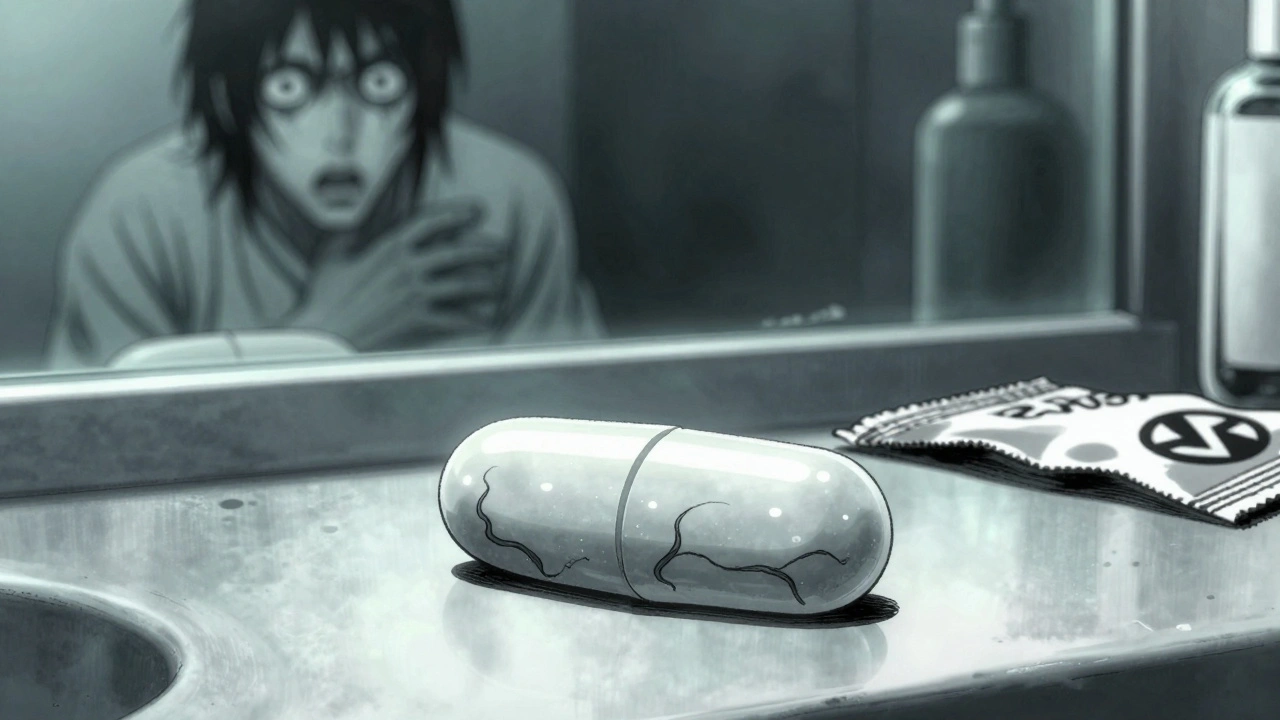
Counterfeit Medications: How to Spot Fakes and Protect Your Health
Counterfeit medications are a global threat, killing over 120,000 people yearly. Learn how to spot fake pills, avoid illegal online pharmacies, and protect yourself from deadly fakes containing fentanyl or no active ingredients.