
SSRI Side Effects: What You Need to Know Before Taking These Antidepressants
When you start taking an SSRI, a class of antidepressants that increase serotonin levels in the brain to improve mood. Also known as selective serotonin reuptake inhibitors, these drugs are among the most prescribed mental health medications in the world. But while they help millions feel better, they don’t come without trade-offs. Many people experience side effects—some mild, others harder to ignore—and few are warned about them upfront. You might feel nauseous the first week. Your sex drive might drop. You could feel jittery or sleepy. These aren’t rare. They’re common. And knowing what’s normal versus what’s dangerous can make all the difference.
One of the most serious risks tied to SSRIs, medications like sertraline, fluoxetine, and escitalopram that target serotonin is serotonin syndrome, a rare but life-threatening reaction caused by too much serotonin in the body. It usually happens when SSRIs are mixed with other drugs like tramadol, certain migraine meds, or even St. John’s wort. Symptoms include high fever, fast heartbeat, confusion, and muscle rigidity. If you feel this way after starting or changing a dose, get help immediately. Less scary but still frustrating are sexual dysfunction, a side effect affecting up to 70% of users, including reduced libido, delayed orgasm, or inability to climax. Many patients quit SSRIs because of this—not because the depression came back, but because their quality of life suffered. And then there’s withdrawal symptoms, the uncomfortable rebound effects when stopping SSRIs too quickly, like dizziness, brain zaps, or flu-like feelings. These aren’t addiction—they’re your nervous system adjusting. But they’re real, and they’re preventable with a slow taper.
What you’ll find in the articles below isn’t just a list of side effects. It’s real talk from people who’ve lived through them, and from doctors who know how to manage them. You’ll learn how to tell if what you’re feeling is just a temporary adjustment or something that needs a change in treatment. You’ll see how some side effects fade after a few weeks, while others stick around—and what to do in each case. You’ll also find out why some people switch from one SSRI to another and how often that actually helps. No fluff. No marketing. Just what works, what doesn’t, and how to protect your health while staying on track.
- Dec 22, 2025
- SkyCaddie Fixer
- 12 Comments
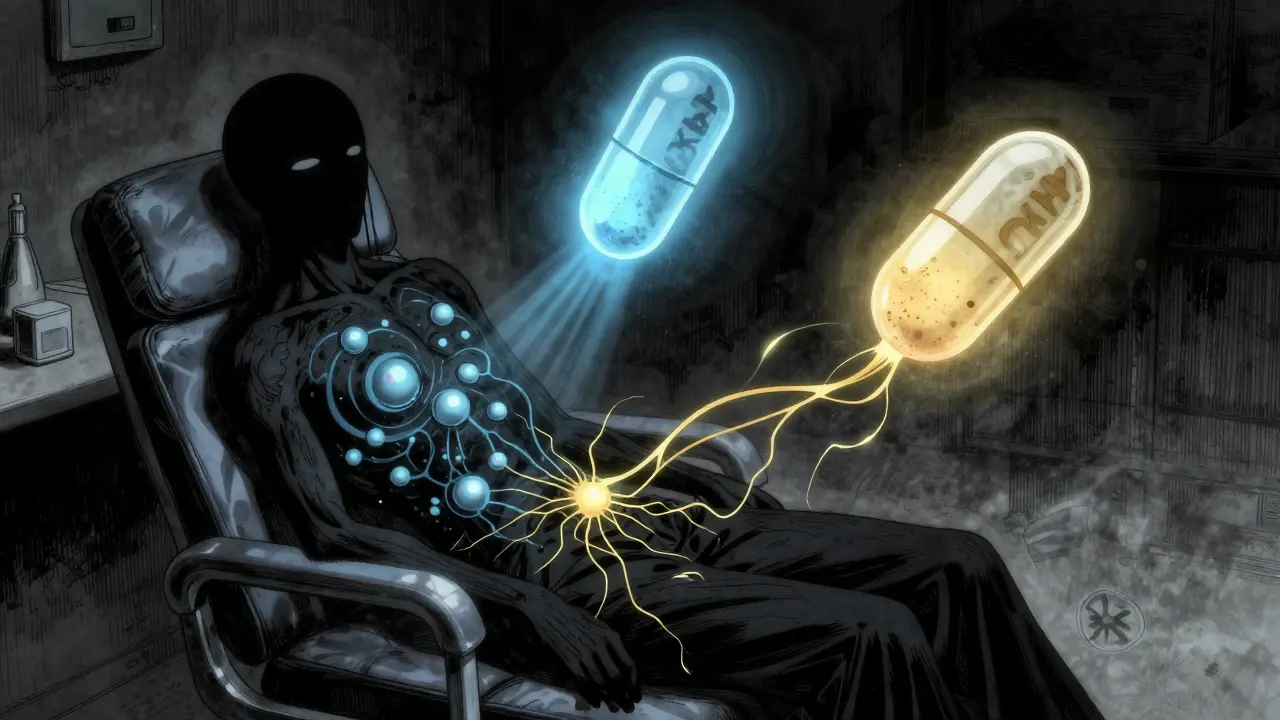
Buspirone Augmentation with SSRIs: Side Effects, Efficacy, and What You Need to Know
Buspirone augmentation with SSRIs offers a safe, effective way to treat treatment-resistant depression without weight gain or sexual side effects. Learn how it works, who benefits most, and how to use it safely.
- Dec 5, 2025
- SkyCaddie Fixer
- 11 Comments
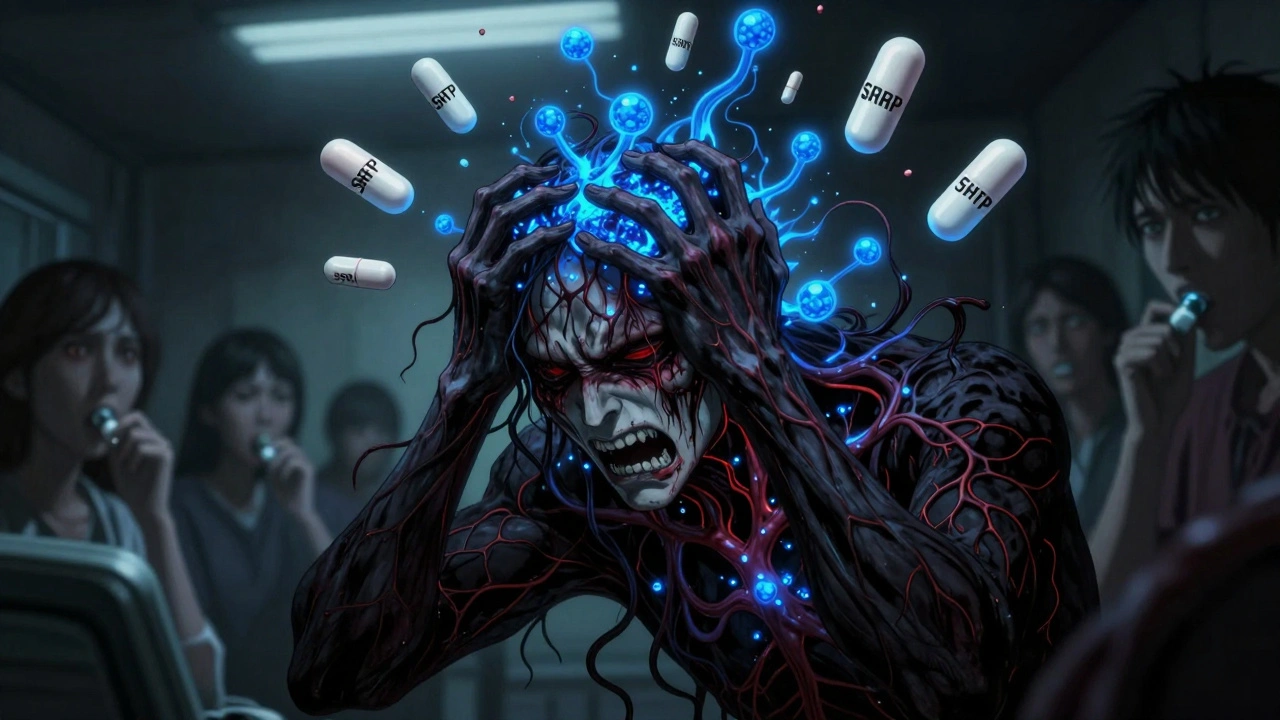
5-HTP and SSRIs: The Hidden Danger of Combining Them for Depression
Combining 5-HTP with SSRIs can cause serotonin syndrome-a dangerous, sometimes fatal condition. Learn why this supplement-drug mix is risky, what the signs are, and what to do instead.