
Safe Medication: How to Use Prescriptions Without Risk
When you take a safe medication, a drug used correctly under medical guidance with no harmful side effects or interactions. Also known as responsible drug use, it’s not just about taking the right pill—it’s about knowing when, how, and why you’re taking it. Too many people think "safe" means "prescribed by a doctor," but that’s not enough. Tramadol can trigger seizures in people with epilepsy. 5-HTP mixed with SSRIs can cause a deadly serotonin surge. Even something as simple as Danshen, sold as a heart supplement, can cause dangerous bleeding when taken with blood thinners. Safe medication isn’t about the label—it’s about awareness.
One of the biggest gaps in safe medication use is misunderstanding generic drugs, medications that contain the same active ingredient as brand-name versions but are often much cheaper. Many assume all generics are created equal, but that’s not true. The FDA requires strict GMP for generics, Current Good Manufacturing Practices that ensure every pill meets quality, purity, and strength standards, but problems still slip through. Pharmacists sometimes flag generics that cause unexpected side effects or therapeutic failure—especially for drugs with a narrow therapeutic index, like warfarin or thyroid meds. And while generics can cut your bill by 90%, some manufacturers delay competition through shady tactics like "product hopping" or reverse payments. Knowing this helps you ask the right questions before you fill your next prescription.
Then there’s drug interactions, when two or more medications, supplements, or foods change how a drug works in your body. These aren’t rare. Rifampin can make birth control fail. Steroid eye drops can raise eye pressure and cause glaucoma if used too long. Even common painkillers like Ponstel can cause stomach bleeding if taken with other NSAIDs. And don’t forget the supplements—5-HTP, Danshen, and others aren’t regulated like drugs, so their risks are hidden. Safe medication means checking every new pill or supplement against what you’re already taking. Keep a list. Ask your pharmacist. Use tools like pregnancy registries to see what’s known about drugs in sensitive cases. And if you’re on multiple meds, a pill organizer isn’t just helpful—it’s a safety net.
What you’ll find below isn’t theory. It’s real stories from people who learned the hard way: a school nurse coordinating daily pediatric meds using the Five Rights, a patient reversing prediabetes with diet, a person avoiding moon face from prednisone by adjusting sodium intake, someone verifying their meds aren’t counterfeit using official tracking systems. These aren’t abstract guidelines. They’re actions you can take today to make your next pill safer than the last.
- Dec 8, 2025
- SkyCaddie Fixer
- 10 Comments
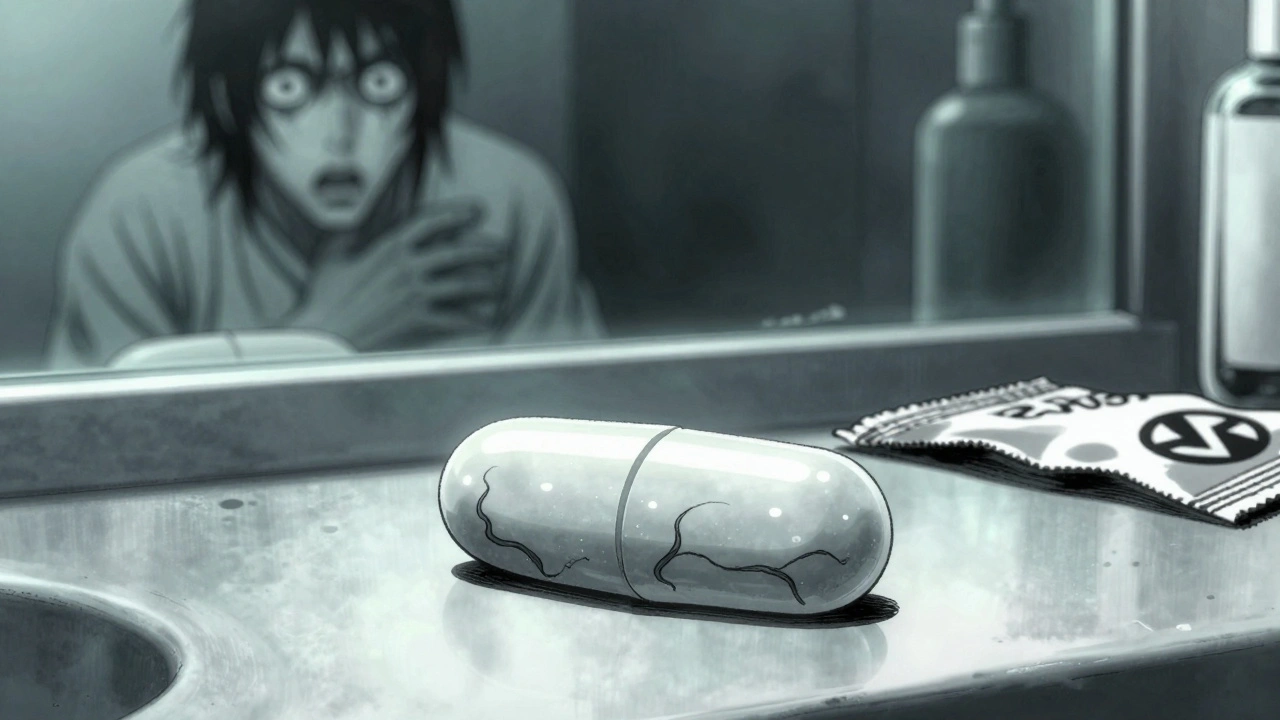
Counterfeit Medications: How to Spot Fakes and Protect Your Health
Counterfeit medications are a global threat, killing over 120,000 people yearly. Learn how to spot fake pills, avoid illegal online pharmacies, and protect yourself from deadly fakes containing fentanyl or no active ingredients.