
Drug Pricing: How Generic Competition, Insurance, and Manufacturing Shape Your Costs
When you pick up a prescription, drug pricing, the cost of medications set by manufacturers, insurers, and pharmacies. Also known as pharmaceutical pricing, it’s not just about what’s on the label—it’s shaped by competition, regulation, and hidden business moves. Many people assume brand-name drugs cost more because they’re better. But the real reason? Lack of competition. When a patent expires, generic versions flood the market. That’s when prices can drop by up to 97%. Medicare and private insurers use that competition to force down costs, but not all manufacturers play fair. Some pay generics to stay off the shelf. Others tweak the brand drug just enough to reset the clock. These tactics—called reverse payments and product hopping—keep prices high even when cheaper options exist.
Generic drug competition, the market dynamic where multiple manufacturers produce the same active ingredient. Also known as therapeutic substitution, it’s the single biggest driver of lower drug costs in the U.S. But not all generics are created equal. Some are priced unfairly, even after patent expiry. Pharmacists often spot these outliers—especially for drugs with a narrow therapeutic index, like warfarin or levothyroxine—where tiny differences in absorption can cause real harm. That’s why FDA rules like CGMP guidelines, the strict manufacturing standards all generics must meet. Also known as current good manufacturing practices, they ensure every pill, whether brand or generic, is safe and effective. Without these rules, you couldn’t trust that your $5 generic works the same as the $150 brand. But even with CGMP compliance, pricing can still be manipulated. Insurance formularies, tiered copays, and pharmacy benefit managers all influence what you actually pay. That’s why knowing your prescription insurance, the plan that covers your meds, with rules on what’s covered, how much you pay, and which pharmacies you can use. Also known as drug coverage, it’s your first line of defense against high costs. Ask about your formulary, deductibles, and prior authorization rules. A simple switch to a cheaper generic—or even a different brand—can cut your bill by 90%.
What you’ll find here isn’t theory. It’s real-world insight from people who’ve been there: the Medicare beneficiary who saved hundreds by switching generics, the pharmacist who flagged a dangerous batch, the patient who avoided a $2,000 bill by asking the right questions. You’ll learn how to spot overpriced generics, how to use auto-refill alerts to avoid late fees, and why some drugs cost more simply because no one challenged the price. This isn’t about blaming pharma. It’s about understanding how the system works—so you can navigate it smarter, not harder.
- Dec 3, 2025
- SkyCaddie Fixer
- 15 Comments
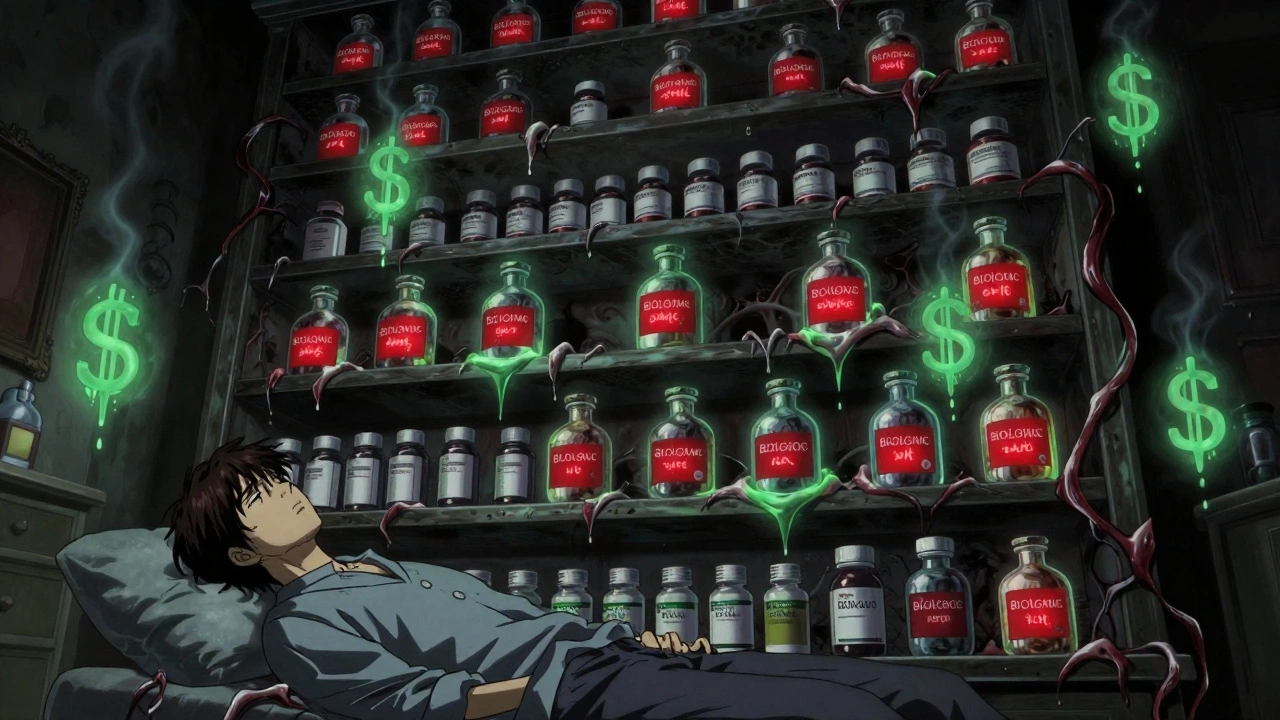
Generics vs Brand Biologics: How Much Do They Really Cost?
Biosimilars can cut biologic drug costs by 50% or more, yet most patients don't know they exist. Learn how much you could save and what's blocking wider adoption.