
Pediatric Excipient Risk Checker
Select an ingredient found on a medication label to see the specific risks for children:
-
Potential Pediatric Impacts:
Most Vulnerable Group:
"Is there a pediatric-specific formulation of this drug that avoids this ingredient?"
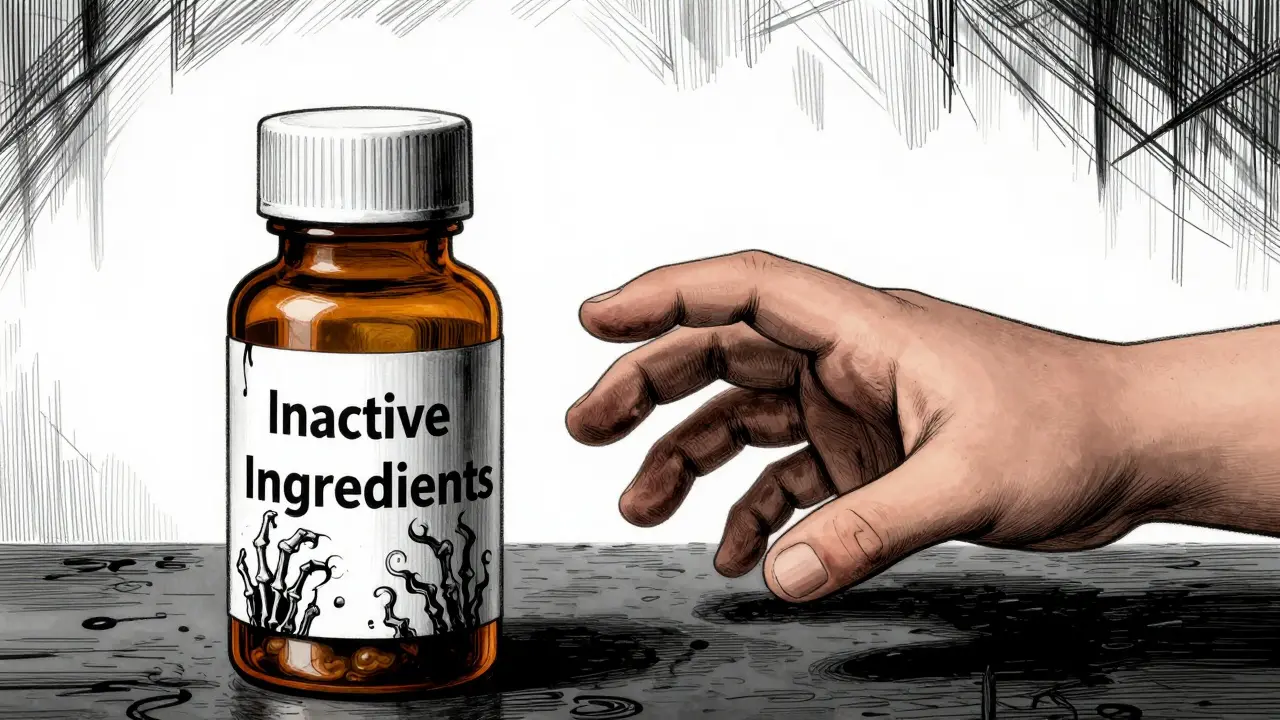
Most people think of the "inactive ingredients" on a medicine label as harmless fillers. But for a newborn or a small child, these Pediatric Excipients is inactive substances added to medications to improve stability, taste, or delivery can be anything but inert. Because children have immature livers and kidneys, they can't process these chemicals the way adults do. This turns a routine dose of medicine into a potential toxic event.
The problem is that many kids end up taking adult formulations "off-label." When a doctor prescribes a drug that isn't specifically made for a child, the baby is exposed to concentrations of additives that their tiny bodies simply aren't equipped to handle. According to research in the Journal of Pediatric and Neonatal Individualized Medicine, about 31% of pediatric prescriptions contain potentially harmful excipients, affecting a staggering 63% of neonates in some clinical settings.
The Danger of Alcohol-Based Excipients
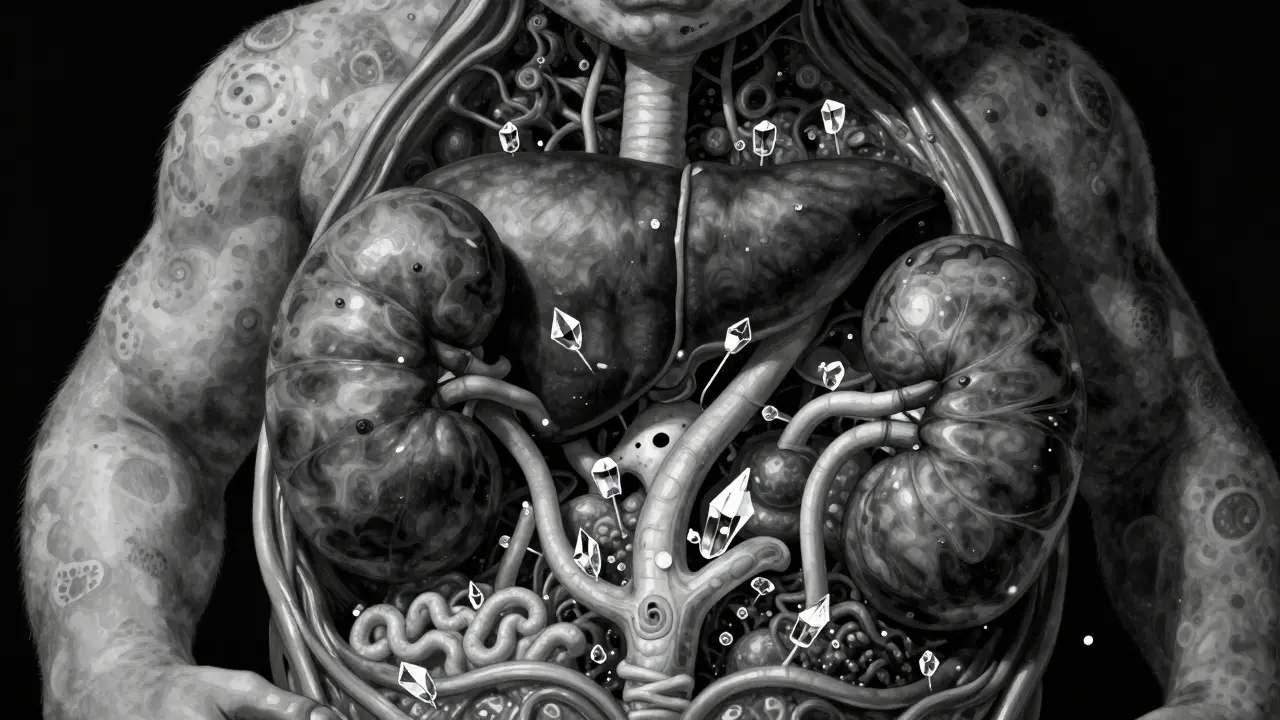
When we talk about "alcohol" in medicine, it's not just about ethanol. One of the biggest culprits is Propylene Glycol, a solvent used to keep drugs stable. In adults, it's usually fine. In neonates, however, it can cause direct organ toxicity. Because babies have an underdeveloped alcohol dehydrogenase system, they can't break it down, leading to a buildup in the bloodstream.
The symptoms can be severe. We've seen cases of CNS depression, seizures, and even acute kidney injury. The risk is highest with continuous infusions of drugs like lorazepam (which can contain 80% propylene glycol) or phenobarbital. It's not just about what goes into the vein, either. If a child has severe diaper rash or burns, applying a topical medication containing these alcohols can lead to systemic toxicity because the skin's protective barrier (the stratum corneum) is damaged.
Similarly, ethanol can lead to stupor, coma, and cardiovascular collapse in very young children. In some cases, it can even trigger hypoglycemic seizures, which is a medical emergency.
Sorbitol and Sugar Alcohols: More Than Just a Sweetener
Sorbitol and other sugar alcohols are often added to make bitter medicines taste better. While they seem innocent, they can cause significant gastrointestinal distress. In children with sensitive systems, these can lead to severe abdominal pain, bloating, and chronic diarrhea.
While sorbitol is a common concern, other additives like Lactose can be even more problematic. For a child with lactose intolerance, a simple tablet can cause metabolic acidosis and dehydration due to prolonged diarrhea. To avoid this, pharmacists often look for alternatives like erythritol or cellulose powder, which provide the same structural benefits without the gastric fallout.
Another related risk involves Polyethylene Glycol (PEG). While chemically different from sorbitol, it shares a similar risk profile for toxicity. For example, using a dexamethasone cream with 8% PEG on an infant's wounded skin has been linked to serum hyperosmolality, which can actually lead to cardio-respiratory arrest.
The Severe Risks of Benzyl Alcohol
If propylene glycol is a concern, Benzyl Alcohol is a critical danger. It is used as a preservative, but in neonates, it can be fatal. The most notorious example is the "gasping syndrome," where the baby's body simply cannot clear the preservative, leading to respiratory failure.
Clinical evidence shows that high doses of benzyl alcohol-containing products can cause a fatal syndrome involving thrombocytopenia (low platelet count), renal dysfunction, and hepatomegaly (enlarged liver). The 2025 KIDs List from the Pediatric Pharmacy Association warns that certain local anesthetics, like benzocaine, should be avoided in children under two because they can trigger methemoglobinemia-a condition where the blood can't carry oxygen effectively.
| Excipient | Primary Use | Major Pediatric Risk | Critical Population |
|---|---|---|---|
| Propylene Glycol | Solvent | Kidney injury, Seizures | Neonates, Renal impaired |
| Benzyl Alcohol | Preservative | Respiratory failure, Liver dysfunction | Preterm newborns |
| Lactose/Sorbitol | Sweetener/Filler | Metabolic acidosis, Diarrhea | Lactose intolerant children |
| PEG | Emulsifier | Hyperosmolality, Cardiac arrest | Infants with wounded skin |
Why Children Are So Vulnerable
It comes down to pharmacokinetics. A child isn't just a small adult; their biology is fundamentally different. Their organs are in a state of "ontogeny," meaning they are still developing. This affects four key areas:
- Absorption: Their skin and gut linings are more permeable, allowing chemicals to enter the bloodstream faster.
- Distribution: Higher body water content changes how drugs and excipients spread through the body.
- Metabolism: Enzymes like alcohol dehydrogenase are often missing or inactive in newborns.
- Elimination: Immature kidneys can't filter out toxins efficiently, leading to dangerous accumulation.
This is why the European Paediatric Formulation Initiative (EuPFI) created the STEP database. It's a dedicated effort to track the safety and toxicity of excipients specifically for kids, because the data used for adult medicines is often useless for a two-kilogram baby.

The Struggle for Safe Formulations
You might wonder: if we know these are dangerous, why are they still used? The answer is a mix of market economics and a lack of alternatives. Developing a pediatric-specific drug is expensive and time-consuming. For years, the industry relied on adult versions, which is why the FDA passed the Best Pharmaceuticals for Children Act (BPCA) to incentivize companies to actually test and create pediatric-safe versions.
Even with these laws, the struggle is real for pharmacists. A 2022 survey found that 78% of hospital pharmacists struggle to find age-appropriate medicines. This forces them to compound their own versions, which carries its own set of risks if the concentrations aren't perfect.
What Parents and Caregivers Should Do
You don't need to be a pharmacologist to protect your child, but you do need to be an active part of the conversation. When a new medication is prescribed, don't just ask "what is the dose?" Ask "is this a pediatric formulation?" If the doctor is using an adult liquid or tablet, ask if there is a version without propylene glycol or benzyl alcohol, especially for infants.
Always be cautious with topical creams on broken skin. As we saw with PEG and propylene glycol, a damaged skin barrier is like an open door for toxins. If your child has a severe rash or burn, check the ingredients of any cream you apply to ensure it doesn't contain high levels of alcohol-based solvents.
Are all inactive ingredients dangerous for children?
No, most excipients are safe. The danger comes from specific compounds like benzyl alcohol or propylene glycol, which the immature livers and kidneys of neonates and infants cannot process effectively. Most standard fillers are harmless, but the "high-risk" ones can cause systemic toxicity.
Why is benzyl alcohol specifically dangerous for newborns?
Newborns lack the metabolic pathways to break down benzyl alcohol. This leads to the accumulation of the substance in the blood, which can cause severe respiratory depression (known as gasping syndrome) and damage to the liver and kidneys.
Can sorbitol cause serious health issues in kids?
In most children, sorbitol just causes mild stomach upset. However, in sensitive children or those with specific intolerances, it can lead to severe diarrhea, bloating, and in extreme cases, dehydration and metabolic acidosis.
What should I look for on a medication label?
Look for terms like "Propylene Glycol," "Benzyl Alcohol," and "Sorbitol" in the inactive ingredients list. If your child is a neonate or has kidney/liver issues, these are the primary ingredients to discuss with your pediatrician.
Is it safe to use adult medications for children if the dose is lowered?
Lowering the dose of the active ingredient does not necessarily lower the risk of the excipients to a safe level. Adult formulations often have concentrations of preservatives and solvents that are too high for a child's metabolic capacity, regardless of the active drug dose.