
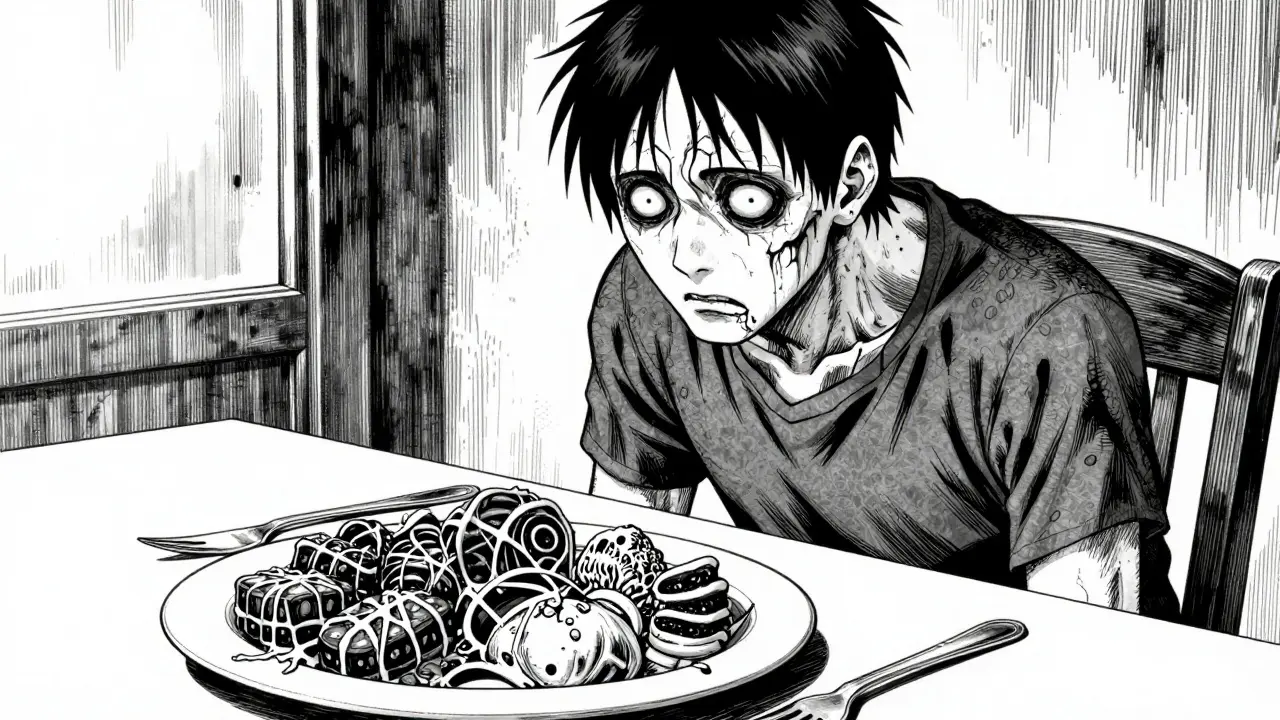
Going through chemotherapy is a massive physical and emotional hurdle. While the medicine works to fight cancer, it often attacks your appetite and stomach at the same time. It's a frustrating paradox: your body needs more energy than ever to heal and stay strong, but the very treatment you need makes eating feel like a chore-or even an impossibility. If you've found yourself staring at a plate of food with zero interest, or feeling like everything tastes like metal, you aren't alone. About 60% to 85% of patients struggle with nutritional complications during treatment.
The goal here isn't to follow a strict "health food" diet. In fact, the rules change when you're in active treatment. We're shifting from long-term prevention to immediate survival and support. The priority is keeping your weight stable, protecting your muscle mass, and managing side effects so you can finish your treatment rounds without delays. Here is how to navigate the practical side of eating when your body is fighting a battle.
The Shift in Your Nutritional Needs
When you're healthy, you might focus on low-calorie counts or cutting carbs. During chemo, those rules are flipped. Your body is in a hyper-metabolic state, meaning it burns energy faster to repair tissues damaged by Chemotherapy a systemic treatment that uses powerful chemicals to kill fast-growing cells in your body. To keep up, you actually need about 20% to 30% more calories than usual.
Protein is the most critical piece of the puzzle. While a typical adult needs about 0.8g of protein per kilo of body weight, oncology experts from the ESPEN the European Society for Clinical Nutrition and Metabolism, which sets international standards for clinical nutrition suggest target ranges between 1.2 and 2.0g/kg/day. Why so high? Because without enough protein, your body starts breaking down its own muscle to survive, which leads to profound fatigue and a weaker immune system.
| Nutrient/Metric | Healthy Adult Standard | Chemotherapy Target |
|---|---|---|
| Daily Calories | 20-25 kcal/kg | 25-30 kcal/kg |
| Protein Intake | 0.8 g/kg | 1.2 - 2.0 g/kg |
| Meal Frequency | 3 moderate meals | 5-6 small meals |
| Dietary Focus | Prevention & Balance | Weight Maintenance & Recovery |
Practical Strategies to Beat Nausea
Nausea is perhaps the most dreaded side effect. It's not just a "queasy feeling"; it's a total aversion to food. The trick is to stop thinking about "breakfast, lunch, and dinner" and start thinking about "fueling windows." When you feel a window of energy or a lull in nausea, eat immediately, even if it's 3 AM.
Avoid the "big plate" syndrome. Large meals stretch the stomach, which can trigger a nausea reflex. Instead, aim for 5 to 6 small snacks daily, each providing about 300-400 calories. If the smell of cooking food makes you gag-which happens to nearly 70% of patients-stick to cold foods. Chilled watermelon, pasta salads, or sandwiches often have less aroma than a hot roast or sautéed vegetables.
Drink your liquids between meals rather than during them. Filling your stomach with water or juice while eating leaves no room for the high-calorie proteins you actually need. For immediate relief, many people find success with ginger chews or sipping ice-cold water. If you're struggling with a metallic taste in your mouth, try swapping stainless steel silverware for plastic utensils; it's a simple change that can make a surprising difference in how food tastes.
Stopping Weight Loss and Muscle Wasting
Unintentional weight loss during treatment is a red flag. It can lead to treatment delays or increased toxicity because your body is too fragile to handle the next dose. To fight this, focus on nutrient density. If you can only manage three bites of food, make those bites count by adding high-calorie enhancers.
Instead of plain yogurt, use full-fat Greek Yogurt mixed with honey and peanut butter. If you're drinking a shake, add a tablespoon of olive oil or coconut oil-you won't taste it, but you'll add 100 easy calories. For those who find commercial supplements like Ensure too expensive or tasteless, homemade protein shakes are a great alternative. Blend frozen berries, a scoop of protein powder, whole milk or almond milk, and a bit of avocado for creaminess and healthy fats.
Another powerful tool is Omega-3 Fatty Acids essential fats found in fish oil that help reduce inflammation and may improve appetite in cancer patients. Research shows that long-chain N-3 fatty acids can help stabilize appetite and actually increase body weight in patients who are struggling to keep pounds on. Check with your doctor about a high-quality fish oil supplement to see if it fits your specific treatment plan.
Safety First: Eating When Immunocompromised
Chemotherapy doesn't just affect your stomach; it lowers your white blood cell count, making you more susceptible to infections. This means your kitchen needs to be more like a sterile environment. Some "healthy" habits, like eating raw sprouts or lightly seared tuna, become dangerous during this time.
- Avoid Raw Proteins: Stay away from sushi, rare steaks, and raw oysters. Salmonella and other bacteria that a healthy person could fight off can be severe for someone undergoing chemo.
- Egg Safety: Ensure all eggs are cooked until the yolk is firm. Avoid homemade Caesar dressing or raw-egg mayonnaise.
- Produce Prep: Wash all fruits and vegetables thoroughly. If your immune system is particularly low (neutropenic), you might want to stick to peeled fruits or cooked vegetables.

Managing Mouth Sores and Taste Changes
Mucositis, or painful mouth sores, can make swallowing feel like eating glass. When this happens, the texture of your food becomes more important than the nutrient content. Soft, moist foods are your best friend. Think mashed potatoes, scrambled eggs, or smoothies.
If the pain is severe, try freezing grapes or sucking on ice chips. The cold numbs the mouth and provides a small amount of hydration. Avoid acidic foods like orange juice, spicy peppers, or salty crackers, as these can irritate the lining of your mouth and throat. If you're dealing with a completely lost sense of taste, try experimenting with strong flavors like lemon or tart cherries to see if you can "wake up" your taste buds.
Is it okay to use supplements if I can't eat enough?
Yes, and in many cases, it is highly recommended. When you cannot meet your caloric and protein needs through whole foods, medical-grade nutritional shakes or supplements help prevent muscle wasting. However, always clear these with your oncologist first, as some supplements can interfere with specific chemotherapy drugs.
Why do I feel so tired even when I eat more?
Chemo-induced fatigue is common and differs from normal tiredness. While nutrition helps, your body is using a massive amount of energy to repair cells. Ensuring you hit your protein targets (1.2-2.0g/kg) helps your body maintain lean muscle, which can eventually improve your energy levels.
Should I avoid sugar during chemotherapy?
The priority during active treatment is calories and protein. While a balanced diet is great, if a high-calorie treat (like a piece of cake or a sweetened shake) is the only thing you can stomach, eat it. Preventing malnutrition is more critical for your survival and recovery than strict sugar restriction at this stage.
What are the best snacks to keep on hand?
Go for a mix of protein and healthy fats. Peanut butter crackers, trail mix with nuts and dried fruit, Greek yogurt cups, and cheese sticks are great options. Keep them visible in your house-sometimes just seeing a snack can trigger a small amount of hunger.
How do I know if I'm actually malnourished?
Watch for rapid weight loss (more than 5% of your body weight in a month), severe muscle weakness, or a total inability to keep fluids down. If you notice these, contact your oncology team immediately. They may suggest enteral nutrition (tube feeding) or parenteral nutrition (IV/vein feeding) to ensure you stay strong enough for treatment.
Next Steps for Your Nutrition Plan
If you're feeling overwhelmed, start by tracking your protein for three days. See if you're hitting that 1.2g per kilo mark. If you're falling short, don't panic-just add one high-protein shake or a handful of nuts to your day. If you have access to a registered dietitian specializing in oncology, make that appointment. They can create a tailored meal plan that accounts for your specific drug regimen and your personal tastes.
Remember that your appetite will fluctuate. Some days you'll feel like you can eat everything in the fridge; other days, the thought of food will be repulsive. Both are normal. Be gentle with yourself, focus on small wins, and prioritize protein and calories to keep your body in the fight.