

Medication Side Effect Report Assistant
Create Your Side Effect Report
When you start a new medication, you might feel a little off. Maybe your stomach feels weird, your skin itches, or you’re more tired than usual. You might think, Is this normal? Or worse - you might brush it off because you don’t want to bother your doctor. But here’s the truth: reporting side effects isn’t just about getting relief. It’s about keeping you safe and helping others avoid the same problem.
Why Your Report Matters More Than You Think
Every time you tell your doctor about a strange reaction to a drug, you’re not just speaking up for yourself. You’re adding a piece to a national safety puzzle. In the U.S., the FDA receives over 1.3 million reports of side effects each year. But here’s the shocking part: only 8% come directly from patients. The rest are filed by doctors or drug companies. That means if you don’t speak up, your experience might never be seen - even if it’s serious.These reports don’t just sit in a database. They trigger real changes. Between 2008 and 2022, 30% of updates to drug labels - like new warnings about dizziness, liver damage, or dangerous interactions - came directly from patient reports. That’s not theory. That’s real people’s symptoms changing how drugs are used.
And it’s not just about future patients. Your report helps your doctor make better decisions right now. If you’re taking multiple medications, a new side effect could be a dangerous interaction. Without you telling your provider, they might never know.
What Information Do You Need to Bring?
A vague “I feel weird” won’t cut it. Doctors need specifics to act. The FDA says a complete side effect report needs these six things:- Your details: Age, weight, gender (this helps determine if the reaction is typical for your profile).
- Exact medication name: Brand name (like Lipitor) and generic (atorvastatin). Include the dose - e.g., “20 mg once daily.” If you have the bottle, bring it or take a photo.
- When it started: “A week after I started it” isn’t enough. Say: “I got the rash 72 hours after taking my first 50 mg dose on Monday morning.”
- What happened: Describe the symptom clearly. “My hands shook” is better than “I felt jittery.” If it’s a rash, take a photo. Studies show reports with photos are 42% more likely to be validated.
- What you did about it: Did you stop the drug? Take an antihistamine? Go to urgent care? This tells your doctor how serious it was.
- Other meds you’re taking: Even over-the-counter pills, vitamins, or herbal supplements. Grapefruit juice can interfere with blood pressure meds. That’s worth mentioning.
Missing even three of these details cuts your report’s chance of triggering action by 73%. That’s not a small risk. It’s a missed opportunity to prevent harm.
How to Talk About It - The 5 Ws Method
Don’t wait until your appointment to think of what to say. Prepare ahead. Use the “5 Ws” framework doctors see every day:- What: What symptom are you having? (e.g., nausea, swelling, confusion)
- When: When did it start? After the first dose? After a week? After you skipped a meal?
- Where: Where on your body? (e.g., “rash on both forearms,” “dizziness when standing up”)
- Why: Why do you think it’s the medication? Did it start right after you began taking it?
- What makes it better or worse: Does rest help? Does eating make it worse? Does it happen only at certain times of day?
This structure turns a confusing complaint into clear, actionable data. A 2022 study found that patients using this method had reports with 52% more complete information. And your doctor will thank you - it saves time and reduces guesswork.

Best Ways to Report: Phone, Portal, or In Person?
You might be tempted to send a quick message through your patient portal. But not all methods are equal.Here’s what the data says about effectiveness:
| Method | Average Info Completeness | Speed | Chance of Immediate Action |
|---|---|---|---|
| In-person visit | 8.7/10 | 24-48 hours | 37% higher |
| Secure patient portal | 7.2/10 | Under 24 hours | Medium |
| Phone call | 5.8/10 | 1-2 days | Low |
| Mail or paper form | 4.3/10 | Over a week | Very low |
For simple, clear symptoms - like mild nausea or a rash - a portal message works fine. But if you’re having chest pain, trouble breathing, or sudden confusion, see your provider in person. That’s the only way they can do a quick exam or order tests.
Also, don’t assume your doctor will remember what you said. Ask: “Can you make sure this is in my chart?” Then check your portal later to confirm it’s there. If it’s not, follow up. Documentation matters.
Keep a Medication and Symptom Diary
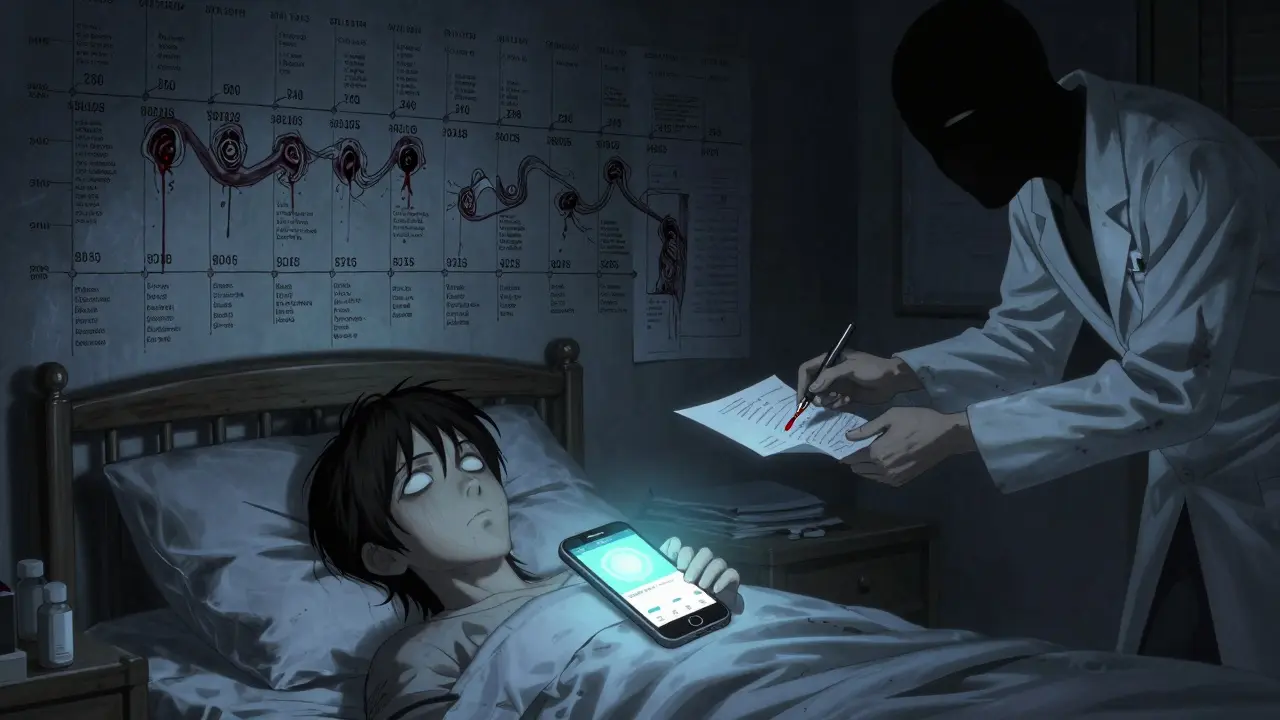
The most powerful tool you can use? A simple diary. Not fancy. Just a notebook or a notes app.Write down:
- What you took and when
- What symptoms you had and when
- How bad they were (use a scale: 1 = barely noticeable, 10 = unbearable)
- What you did to manage it
Harvard Medical School found that patients who kept this diary were 63% more likely to have their side effects properly documented and acted on. Why? Because memory fades. A symptom that started three days ago feels vague by the time you see your doctor. But if you wrote it down, you can show exact timing - and that’s what makes the difference.
One patient in Melbourne reported her dizziness only after she noticed it always happened 2 hours after her morning pill. That detail led her doctor to adjust the timing - and her symptoms vanished.
What If Your Doctor Dismisses It?
It happens. Some providers rush through appointments. Others think a symptom is “common” and not worth action. But here’s what you can do:- Bring printed info from trusted sources - like the FDA or NIH - that matches your symptoms.
- Ask: “Could this be related to the new medication? I’d like to rule it out.”
- Request a 20-minute appointment specifically for medication concerns. Most providers will agree - 78% of them do, according to practice data.
- If you still feel ignored, ask for a referral to a pharmacist. Pharmacists are trained in drug reactions and often spot things doctors miss.
Don’t give up. One patient told her doctor three times that her new antidepressant was making her feel suicidal. Each time, she was told it was “adjustment.” On the fourth visit, she brought her diary, photos of her sleep patterns, and a printout from the FDA. That’s when they changed her medication. She says it saved her life.
New Tools Making Reporting Easier
The system is getting better. In 2023, the FDA launched the MedEffect mobile app. It lets you fill out a structured report on your phone - with prompts for timing, dosage, and symptoms - then email it directly to your provider. Over 247,000 people downloaded it in the first month.By 2025, all certified electronic health records in the U.S. will be required to have standardized side effect reporting fields. That means your notes will be easier to track and share.
Even AI is helping. Tools like Epic’s Suki AI can scan your visit notes and flag possible side effects your doctor might have missed. But remember - AI can’t replace you. Only you know how you feel.
What Happens After You Report?
Your provider will likely:- Check for drug interactions using a database
- Look up your symptoms in clinical guidelines
- Decide whether to stop, lower, or switch your medication
- File a report with the FDA through MedWatch (they’re legally required to do this once you tell them)
You won’t hear back from the FDA - that’s not how it works. But your report becomes part of a national safety net. Someone else might avoid the same reaction because you spoke up.
And if you’re ever unsure? Call your pharmacist. They’re trained to help with this exact thing - and they won’t judge you for asking.
What if I’m not sure if a symptom is from my medication?
It’s better to report it anyway. Many side effects aren’t obvious at first. If the symptom started after you began the medication, even if it’s mild, it’s worth mentioning. Your provider can check timing patterns - if the symptom matches when the drug peaks in your system, it’s more likely related. Don’t wait for it to get worse.
Can I report side effects without seeing my doctor?
Yes, you can report directly to the FDA through MedWatch online or the MedEffect app. But that doesn’t replace talking to your provider. Your doctor needs to know so they can adjust your care. Reporting to the FDA helps the system, but your provider helps you - right now.
Do I need to report every little side effect?
Not every tiny thing. Mild headaches or dry mouth are common and often go away. But if it’s new, unusual, or bothering you enough to notice - report it. The line isn’t about severity. It’s about change. If it’s different from what you’ve felt before, it’s worth sharing.
What if I’m on multiple medications - how do I know which one caused it?
You don’t need to figure it out alone. Your doctor or pharmacist will look at your full list and use tools like the Naranjo Scale to estimate the likelihood. But you can help by noting when each medication was started or changed. If you added one drug and symptoms started two days later, that’s a strong clue.
Is it safe to stop a medication if I think it’s causing side effects?
Only if your provider tells you to. Some drugs - like blood pressure or antidepressants - can cause dangerous withdrawal symptoms if stopped suddenly. Always talk to your doctor first. But do tell them immediately if you’re having a serious reaction like swelling, trouble breathing, or chest pain. Those need urgent care.
Jerry Rodrigues
January 20, 2026 AT 07:46Been on statins for 5 years. Started having weird leg cramps last winter. Told my doc, he shrugged. I kept track in Notes app - timed it to the dose. Came back with screenshots. Changed my med. Cramps gone. Don’t overthink it. Just document.
Simple works.
Uju Megafu
January 20, 2026 AT 19:33OMG this is so basic. Why are we even having this conversation? People are dying because they don’t know how to text their doctor like a normal human? My cousin took lisinopril and got angioedema and waited 3 days because she ‘didn’t want to bother anyone.’ Now she’s on a feeding tube. This post should be mandatory in high school. #WakeUpAmerica
Jarrod Flesch
January 21, 2026 AT 21:51As a pharmacist, I see this daily. Patients say ‘I feel off’ and I’m like - cool, but when? After breakfast? After you drank coffee? Did you start the new pill on Tuesday or Wednesday? The difference between ‘maybe’ and ‘definitely’ is often just 12 hours. Bring your bottle. Take a pic. Write it down. I’ve had patients come in with 3 meds and no idea which one they took last. We’re not magicians 😅
Also - the MedEffect app? Game changer. Used it myself when I got that weird rash from amoxicillin. Got a reply from FDA in 48 hrs. Wild.
Amber Lane
January 22, 2026 AT 22:33My grandma didn’t report her dizziness. Thought it was just aging. Turned out it was the blood pressure med mixing with her ginkgo. She fell. Broke her hip. Now she uses the diary. So do I. Small things matter.
Gerard Jordan
January 24, 2026 AT 05:13Just want to say 👏👏👏 this is the kind of post that makes me believe in humanity again. I shared this with my mom who’s on 7 meds and she cried. Said she never knew she could actually help fix the system. Also, the 5 Ws? I printed it out and taped it to my fridge. Now I’m the family meds guru. 🙌💊
Roisin Kelly
January 25, 2026 AT 06:09LMAO this is all corporate BS. Doctors don’t care. They’re paid to keep you on pills. The FDA? They’re owned by Big Pharma. My friend reported a seizure after a new antidepressant - they told her it was ‘stress.’ She died. They never changed the label. This whole thing is a scam to make you feel like you’re helping while they keep raking in cash. 🤡
lokesh prasanth
January 26, 2026 AT 13:31you dont need to report every ting. if you feel weird and its new then maybe. but most side effects are just your body adjusting. stop being so sensitive. also i think the FDA thing is overhyped. people die from coffee overdose but no one reports that. logic?
Malvina Tomja
January 28, 2026 AT 06:04Let me be clear: this post is dangerously oversimplified. You cannot assume a symptom is medication-related without ruling out infection, autoimmune triggers, environmental toxins, or psychosomatic origins. The 5 Ws method? It’s a checklist for lazy clinicians. Real clinical reasoning requires differential diagnosis, not templated responses. And please - stop glorifying the MedEffect app. It’s a data harvesting tool disguised as patient empowerment. You’re giving your health data to a federal agency that shares it with insurers. Read the fine print. I’m not saying don’t report. I’m saying: be informed. Or don’t.