
May 2023 — Practical health notes from TrySildenafil
This month’s posts focus on real-life problems: coughing that won’t quit, meds that affect mood or hearing, wound care, and practical drug tips you can use right away. I’ll pull the essentials from each article so you can decide what matters for you and what to discuss with your clinician.
Respiratory tips stand out. If post-nasal drip or a persistent cough bugs you, Bromhexine can help by thinning mucus so it’s easier to clear. For asthma or COPD, Formoterol combination therapies remain a reliable option for improving breathing and reducing flare-ups — talk to your provider about inhaler combos and proper use.
Mental health and meds came up more than once. Secondary hyperparathyroidism can affect mood and thinking, so if you have kidney disease and new anxiety or brain fog, ask about parathyroid hormone levels. Clonidine, while a blood pressure drug, can sometimes calm anxiety; it’s useful but needs careful dosing. On the flip side, Propranolol has been linked to tinnitus in some people — if ringing starts after you begin a beta-blocker, report it right away.
Everyday care and side effects: simple wound care wins. Clean abrasions with mild soap and water, use antibiotic ointment if needed, and cover with a sterile bandage. For constipation relief, Polyethylene Glycol 3350 (PEG 3350) is commonly dosed as 17 g mixed with about 8 ounces of water once daily — stick to labeled directions and stay hydrated.
Medication changes and quality-of-life issues also appeared. Oxybutynin withdrawal can raise urgency and frequency; don’t stop it abruptly without advice. Eflornithine cream helps slow unwanted hair growth for patients dealing with chemo-related changes — a topical option worth discussing for self-image support. And if you take butylscopolamine or other antispasmodics, check with your clinician about interactions before adding new drugs.
Supplements, research, and what to watch
Genistein combined polysaccharide supplements (GCP) are getting attention for bone and hormone support and antioxidant effects; they’re not a magic fix, but some people notice higher energy and skin benefits. Calcitonin research is moving toward new roles in bone disease and pain control — follow updates if you track osteoporosis treatments.
Clear, practical next steps
If something here sounds relevant: write down your symptoms, list current meds (including supplements), and bring both to your next appointment. Don’t guess doses or mix drugs without checking. If a side effect appears suddenly — worse tinnitus, mood changes, or breathing problems — contact your provider promptly. Use the posts this month as conversation starters, not as prescriptions. Small steps: follow dosing labels, keep wounds clean, and ask about safer alternatives when side effects appear.
Want a deeper look at any of these topics? Tell me which post to expand and I’ll pull together plain-language guidance you can share with your care team.
- May 29, 2023
- SkyCaddie Fixer
- 17 Comments
Secondary Hyperparathyroidism and Mental Health: A Surprising Connection
In a recent blog post, I discussed the surprising connection between secondary hyperparathyroidism and mental health. Secondary hyperparathyroidism is a condition where the parathyroid glands produce too much parathyroid hormone, often due to kidney disease. This hormonal imbalance can lead to various physical symptoms, but what's really surprising is its impact on mental health. People with this condition often experience anxiety, depression, and cognitive difficulties. It's essential to raise awareness about this connection, as proper diagnosis and treatment can significantly improve the quality of life for those affected.
- May 27, 2023
- SkyCaddie Fixer
- 8 Comments
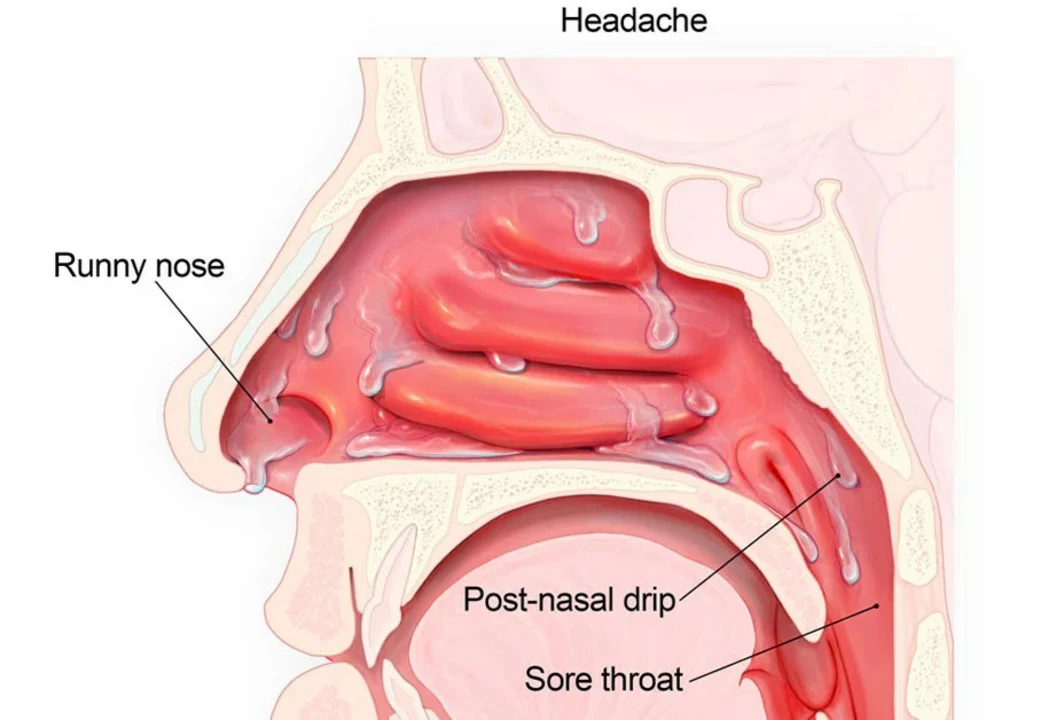
Bromhexine: A Solution for Post-Nasal Drip and Persistent Cough
As someone who has suffered from post-nasal drip and persistent cough, I've recently discovered Bromhexine as a potential solution. This medication works by thinning and loosening mucus, making it easier to expel from the respiratory tract. I've found it to be quite effective in relieving my cough and clearing out any excess mucus. It's important to remember that it's always best to consult a doctor before trying out any new medication. Bromhexine has definitely improved my quality of life and I wanted to share my experience with others who may be struggling with similar issues.

- May 21, 2023
- SkyCaddie Fixer
- 18 Comments
The Benefits of Clonidine for Anxiety and Stress Management
I recently came across some interesting information on how Clonidine can be beneficial for managing anxiety and stress. Apparently, this medication, which is usually prescribed for high blood pressure, can also help reduce symptoms of anxiety by lowering the body's stress response. Not only does it help in keeping the heart rate and blood pressure in check, but it also has a calming effect on the mind. I think it's fascinating how this drug can be so versatile in addressing both physical and mental health issues. It's definitely worth looking into if you're struggling with anxiety and stress management.
- May 20, 2023
- SkyCaddie Fixer
- 17 Comments
How to Properly Clean and Care for Abrasions
As a blogger, I've learned the importance of properly cleaning and caring for abrasions to prevent infections and promote faster healing. First, always wash your hands thoroughly before touching the wound. Gently clean the abrasion with mild soap and water, and then apply an antibiotic ointment to prevent infection. Cover the wound with a sterile bandage and change it daily or when it gets wet or dirty. Lastly, keep the abrasion elevated if possible and avoid scratching or picking at the scab to allow the skin to heal naturally.

- May 16, 2023
- SkyCaddie Fixer
- 18 Comments
How Eflornithine is Helping Cancer Patients Manage Hair Growth
As a blogger, I recently came across an amazing breakthrough in cancer patient care, particularly in managing hair growth. Eflornithine, a drug initially used to treat African sleeping sickness, is now being utilized to help cancer patients deal with unwanted hair growth. This revolutionary treatment is a boon for patients undergoing chemotherapy, as it can significantly improve their quality of life and self-esteem. The topical application of eflornithine cream slows down hair growth, giving patients much-needed relief from this distressing side effect. It's truly inspiring to see how medical advancements like eflornithine are continuously improving the lives of cancer patients.

- May 15, 2023
- SkyCaddie Fixer
- 17 Comments
Discover the Secret to Age-Defying Wellness with Genistein Combined Polysaccharide Supplements
As a wellness enthusiast, I recently stumbled upon a well-kept secret for age-defying wellness - Genistein Combined Polysaccharide (GCP) supplements. These supplements are a combination of soy-derived isoflavone genistein and polysaccharides, and they have shown promising results in promoting overall health and longevity. Not only do they support healthy hormone balance and bone health, but they also have impressive antioxidant properties. I've started incorporating GCP supplements into my daily routine, and I am already noticing a difference in my energy levels and skin health. If you're looking for a natural way to defy aging and boost your wellness, GCP supplements might be worth considering.
- May 13, 2023
- SkyCaddie Fixer
- 5 Comments
Formoterol Combination Therapies for Optimal Lung Health
In my latest blog post, I discuss the benefits of Formoterol combination therapies for optimal lung health. These therapies combine Formoterol with other medications, such as corticosteroids, to effectively treat and manage various lung conditions like asthma and COPD. I've found that these combinations work wonders in reducing inflammation, improving lung function, and ultimately, enhancing the quality of life for those suffering from these conditions. Be sure to check out the blog for a more in-depth look at the different combination therapies available and how they may benefit you or your loved ones. Remember, maintaining good lung health is essential for overall well-being!
- May 12, 2023
- SkyCaddie Fixer
- 16 Comments
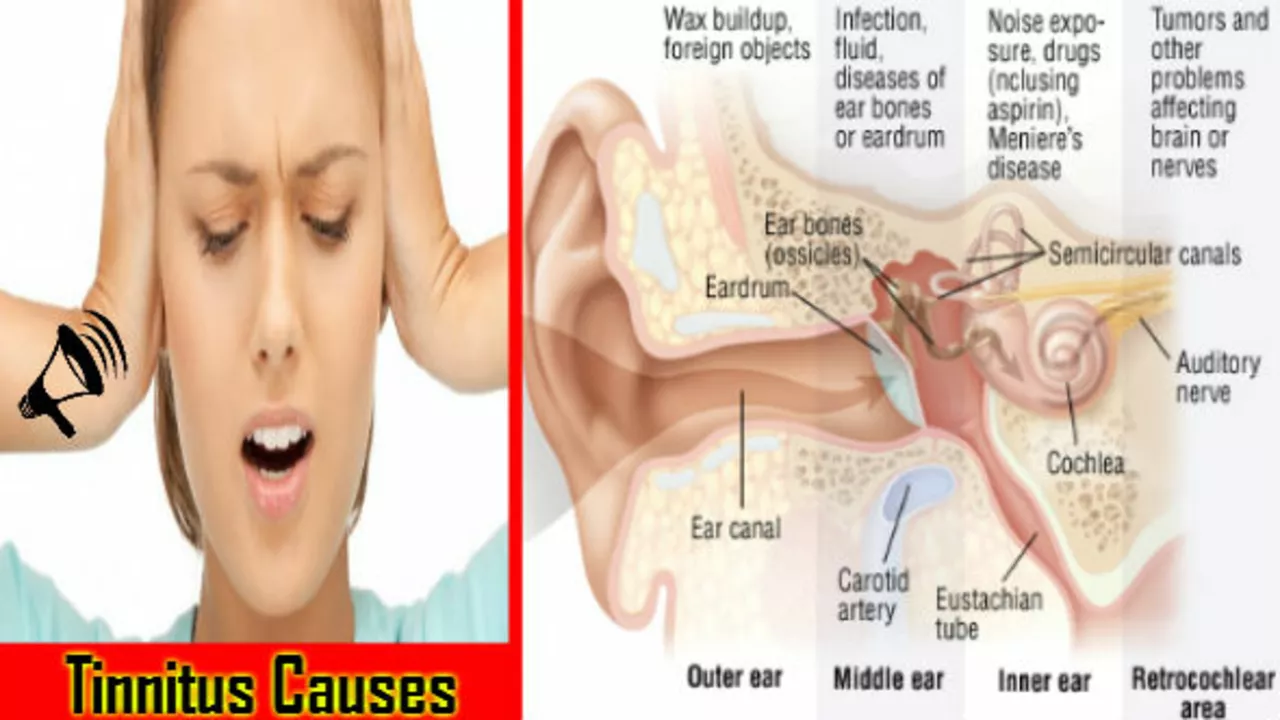
The Connection Between Propranolol and Tinnitus: Causes and Solutions
As a sufferer of tinnitus, I recently came across some interesting information about the connection between Propranolol and this frustrating condition. Propranolol is a beta-blocker commonly used to treat high blood pressure and anxiety. However, it has been found that it can sometimes cause or worsen tinnitus in certain individuals. Thankfully, there are alternative medications and treatments available if you're affected by this side effect. I'll be exploring these options in my upcoming posts, hoping to provide relief for those struggling with tinnitus.

- May 11, 2023
- SkyCaddie Fixer
- 14 Comments
The Impact of Left Ventricular Dysfunction on Activities of Daily Living
In my latest blog post, I discussed the impact of left ventricular dysfunction on our daily lives. This condition affects the heart's ability to pump blood efficiently, leading to fatigue and shortness of breath. As a result, simple tasks like walking, climbing stairs or even carrying groceries can become increasingly difficult. I also explored the importance of managing this condition through medication, exercise, and diet to improve overall quality of life. It's essential to raise awareness about left ventricular dysfunction and its effects on daily activities to help those affected lead healthier, more fulfilling lives.

- May 8, 2023
- SkyCaddie Fixer
- 17 Comments
Oxybutynin Withdrawal: What to Expect and How to Cope
I recently came across a topic that I found interesting and wanted to share with you all - Oxybutynin withdrawal. This is a process that occurs when someone stops using the medication Oxybutynin, which is typically prescribed for overactive bladder symptoms. During withdrawal, people can experience a variety of symptoms such as increased urgency, frequency, and incontinence. To cope with these symptoms, it's important to communicate with your healthcare provider and consider alternative treatments or medications. Remember, you're not alone in this journey, and your healthcare team is there to support you during this challenging time.